
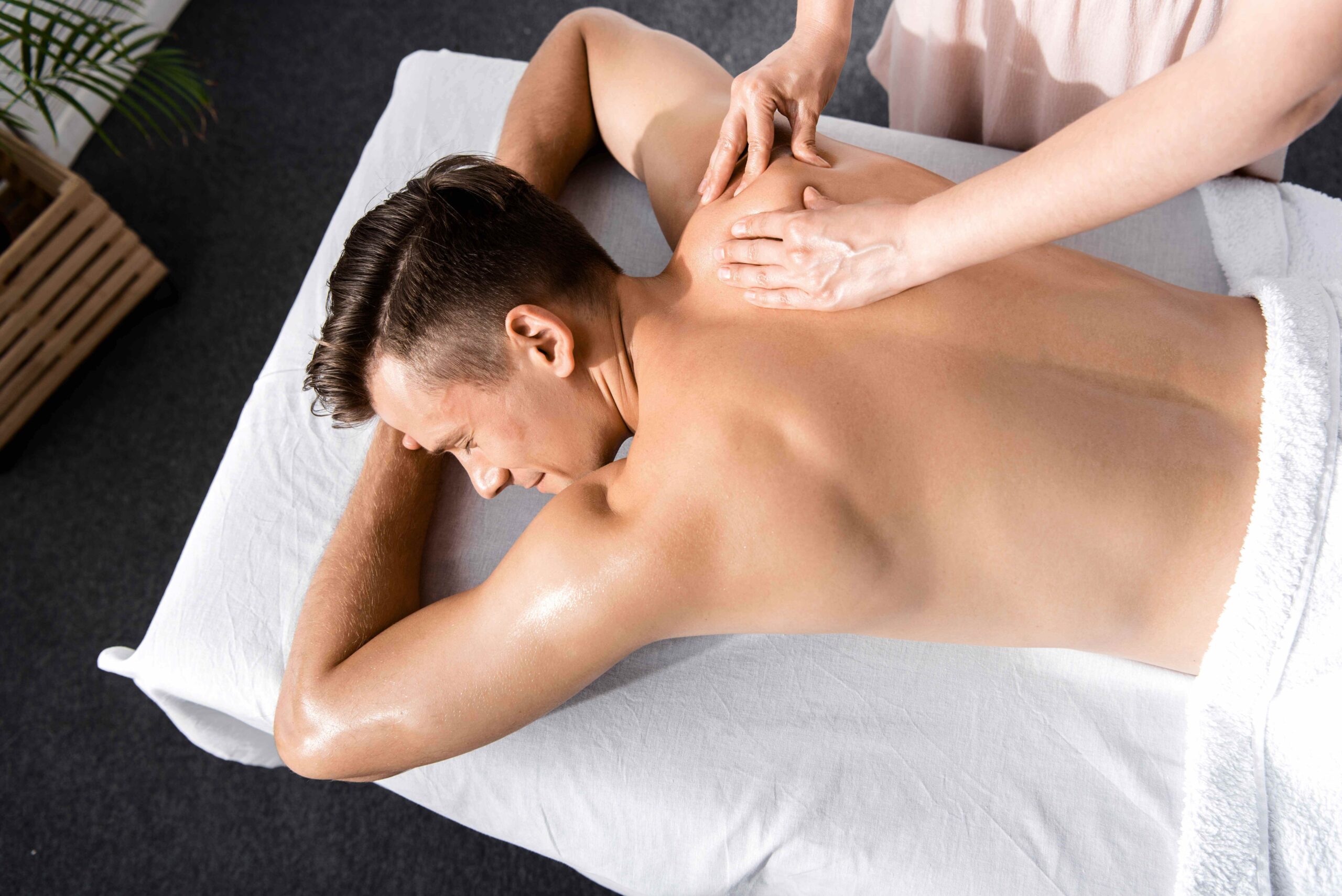
What to Expect During a Male-to-Male Massage
Massage has taken off as a way to look after ourselves, both physically and mentally. From easing tight muscles and melting away stress to helping us sleep better and getting our blood flowing, it’s a powerful tool for self-care. While everyone can enjoy a good massage, this article is specifically about male-to-male massage. We want to clear up any confusion, address any worries you might have, and give you a solid idea of what to expect.
A lot of men are discovering the benefits of getting a massage from another man. But it’s also totally normal to feel a bit unsure or even apprehensive about it. That’s why we’re here – to walk you through what a typical massage is like, emphasize how professional and therapeutic it is, and stress how important it is to communicate with your therapist.
1. Finding a Good Therapist: The Key to a Great Experience
The most important thing for a positive massage is finding a qualified and reputable therapist. Just like you’d see a certified doctor for a health issue, you want a licensed and experienced massage therapist. Here’s how you can find one:
- Online Directories: Websites from professional massage associations (like the AMTA in the US) often have lists of licensed therapists near you.
- Word of Mouth: Ask your doctor, chiropractor, physical therapist, or even friends for recommendations. Personal recommendations are often the best!
- Online Reviews: Sites like Yelp or Google Reviews can give you an idea of what other clients thought.
- Check Their Credentials: Look for therapists who’ve completed proper training and have the right certifications.
Doing a bit of research beforehand means you’ll be in good hands with a skilled professional who follows ethical standards and genuinely cares about your well-being.
2. The First Chat: Getting on the Same Page
Before you even get on the table, you’ll usually have a quick chat with the therapist. This is super important, so the massage is just right for you. During this chat, the therapist will:
- Ask About Your Health: They’ll want to know about any health conditions, injuries, allergies, or medications you’re taking. This helps them make sure the massage is safe for you.
- Talk About What You Need: They’ll ask why you’re getting a massage. Are you dealing with muscle pain, stress, or just want to relax? This helps them understand what you’re hoping to get out of it.
- Give You a Chance to Ask Questions: This is your time to bring up any worries or preferences. Being open and honest is key to a good experience.
This initial chat is a great opportunity to connect with your therapist. Don’t be shy – ask anything you want and share any concerns you have.
3. Different Types of Massage: Finding What Works for You
There are lots of different types of massage, each with its own techniques and benefits. Some common ones that guys often like are:
- Swedish Massage: This is a classic, relaxing massage with long strokes, kneading, and circular movements. It’s great for overall relaxation, better circulation, and easing muscle tension.
- Deep Tissue Massage: This goes deeper into the muscle tissue to release stubborn knots and tension. It uses slower, firmer pressure than Swedish massage.
- Sports Massage: Designed for athletes, this helps with performance, prevents injuries, and helps you recover after workouts.
- Trigger Point Therapy: This focuses on specific tight spots in your muscles that can cause pain elsewhere in your body.
- Myofascial Release: This works on the fascia, the connective tissue around your muscles and organs, to improve flexibility and reduce pain.
Your therapist will suggest the best type of massage for you based on what you talked about in the initial chat.
4. The Massage Room: Setting the Mood
The massage room is designed to be relaxing and comfortable. Usually, you’ll find:
- A Clean, Private Space: A quiet, clean, and comfortably warm room, just for you.
- Relaxing Music and Dim Lighting: Soft music and dimmed lights help you unwind.
- Draping: You’ll be given a sheet or towel to keep you covered and comfortable throughout the massage.
5. During the Massage: What Happens on the Table
Before starting, the therapist will explain how the draping works. You’ll usually undress to your comfort level (often down to your underwear) and lie on the table, covered by the drape. The therapist will only uncover the part of your body they’re working on, so you’re always kept covered.
During the massage, they’ll use different techniques like pressing, kneading, stroking, and stretching your muscles. It’s really important to tell them if the pressure is too light or too strong. They want you to be comfortable!
6. A Word About Erections
It’s worth mentioning something that some guys worry about getting an erection during a massage. It’s completely normal! It’s just a physical reaction to touch and relaxation, and it doesn’t mean anything else. A professional therapist knows this and won’t make a big deal out of it. If it happens, don’t feel embarrassed or like you need to apologize. The therapist will simply carry on with the massage professionally.
7. After the Massage: What to Expect Afterwards
Afterwards, the therapist will step out so you can get dressed in private. You might feel super relaxed, a bit sore (especially after a deep tissue massage), or even more energized. It’s a good idea to drink plenty of water afterwards to help your body flush out any toxins.
8. Clearing Up Misconceptions: It’s About Therapy
It’s really important to remember that professional male-to-male massage is about therapy and well-being. It’s not a sexual service. If a therapist acts inappropriately or makes you feel uncomfortable in any way, you should report them.
Male-to-male massage is a great way for men to experience all the good things massage has to offer in a comfortable and professional setting. By knowing what to expect, addressing any worries, and keeping the lines of communication open with your therapist, you can enjoy the relaxing and therapeutic benefits.
9. Massage Etiquette & Professional Boundaries: What You Should Know
Many men considering a male-to-male massage worry about what’s appropriate or expected. Clear expectations make the experience more comfortable.
What’s standard massage etiquette?
- Arrive on time so you can enjoy the full session without being rushed.
- Hygiene matters — shower before your appointment so you feel confident and relaxed.
- Phones off or on silent to keep the environment peaceful.
- Be honest about your comfort levels — your therapist relies on communication, not guesswork.
Understanding professional boundaries
All licensed therapists follow strict ethical guidelines. This includes:
- Never engaging in inappropriate behavior
- Keeping conversation respectful and optional
- Maintaining proper draping at all times
- Prioritizing client safety and consent
This section strengthens semantic relevance by reinforcing intent-focused, informational content rather than surface-level keywords, aligning with the principles of semantic clarity and structured information highlighted in modern SEO research.
10. How to Prepare for Your First Male-to-Male Massage
Preparation reduces uncertainty and makes the session smoother for both you and your therapist.
Before You Arrive
- Drink water throughout the day, but avoid heavy meals right before your session.
- Wear comfortable clothing that’s easy to change in and out of.
- Think about any areas of your body that need attention so you can discuss them during the consultation.
What to Bring
- A list of medications or injuries if relevant
- Your ID if the clinic requires it
- Optional: notes about areas of concern (athletes find this helpful)
This type of question-answer and list-based structure increases clarity for both readers and search engines, supporting content chunking practices recognized by Bing and Google.
11. Benefits Unique to Male-to-Male Massage
While all massage techniques can be beneficial, many men feel more physically at ease with a male therapist due to:
1. Strength and Pressure Matching
Male therapists often have the body weight and strength to deliver:
- Deep tissue work
- Sports recovery techniques
- Slow, sustained pressure that releases chronic tension
2. A Sense of Familiarity
Some men feel more relaxed with someone who understands:
- Male physiology
- Common male stress patterns
- Typical sports-related injuries
3. Shared Comfort Levels
For many men, being massaged by another man feels:
- Less self-conscious
- More natural regarding body awareness
- Easier when discussing sensitive topics like hip tension, glute tightness, or athletic strain
Adding this section improves semantic richness by building topical authority around “male-to-male massage benefits,” strengthening your article’s relevance to user intent as defined by semantic relevance SEO principles.
12. Common Myths About Male-to-Male Massage — Debunked
Including myth-busting improves entity clarity and disambiguation, helping search engines better understand topic boundaries.
Myth 1: Male-to-male massage is inherently sexual.
No — professional massage therapy is a healthcare service. Misunderstandings often stem from lack of education about draping, licensing, and ethics.
Myth 2: It will feel awkward if you’re not used to it.
Most clients relax within minutes once they experience the environment and professionalism.
Myth 3: Only certain types of men seek male-to-male massage.
Men of all backgrounds — athletes, office workers, older adults, students — seek therapeutic massage for pain relief, stress, mobility, and recovery.
13. Understanding Your Body’s Response: Physical & Emotional Reactions
During or after a massage, you may notice:
Physical responses
- Increased warmth in muscles
- Tingling sensations from improved circulation
- Feeling sleepy or deeply relaxed
- Muscle soreness within 24 hours — normal for deeper work
Emotional responses
Massage can release stored tension and stress. It’s not uncommon to feel:
- Emotional relief
- Unexpected calm
- A sense of mental clarity
These responses highlight why massage is viewed as a whole-body, whole-mind therapeutic experience — a point aligned with semantic search’s preference for deeper contextual meaning over shallow keyword repetition.
14. How to Choose Between Different Types of Male-to-Male Massage
You already list massage types, but here is an added section that helps people decide — improving user intent satisfaction.
Ask yourself:
- Do I want relaxation or recovery?
- Do I have specific injuries or tension?
- Do I prefer firm or gentle pressure?
- Am I preparing for or recovering from exercise?
Match your goal with a technique:
- Relaxation → Swedish massage
- Chronic tension → Deep tissue or trigger point
- Flexibility → Myofascial release
- Athletic performance → Sports massage
This decision-based section adds structured meaning that aligns with modern AI-search optimization (clear answers, modular chunks, and semantic clarity).
15. Aftercare Tips for Better Results
Post-massage care improves your recovery and extends the benefits.
Do:
- Drink water to help reduce inflammation
- Stretch gently if you feel stiff
- Take a warm shower to relax tighter areas
Avoid:
- Intense workouts within 12–24 hours
- Alcohol or heavy meals immediately after
- Sitting too long — keep your body moving lightly
16. When You Shouldn’t Get a Massage
Adding contraindications increases topical completeness and covers medical intent categories, which search engines reward under Helpful Content criteria.
Avoid massage — or consult a doctor first — if you have:
- Fever or infection
- Open wounds or skin conditions in the massage area
- Recent surgery without clearance
- Severe cardiovascular conditions
- Acute inflammation (like new injuries)
17. Making the Most of Ongoing Sessions
If you enjoy your experience, consider building a routine. Regular massage can support:
- Athletic performance
- Stress management
- Chronic pain conditions
- Posture correction
- Better sleep habits
Your therapist can help create a personalized plan based on your goals.